A look that needs no explanation, a touch on the arm that says I love you, an unexpected hug because even though you think you’re hiding it well—your spouse knows you need it. Pretty much all of the warm and fuzzies happen when you feel connected to your spouse. And there’s nothing quite like that feeling.

Having a deep connection with your partner enriches your marriage and makes it fulfilling. The understanding you have between each other, the romance, and delighting in the little things (like waking up together) always feels more natural when you feel connected to your sweetheart.

Sometimes, it can feel a little challenging to connect when other things in life keep popping up and vying for your attention. But don’t get discouraged, there are little things you can do each day to pull your spouse a little closer even when you’re apart. 

Ways To Feel More Connected To Your Spouse:

1. Embrace the Micro-Moments of love.

You don’t need a grandiose plan to show the tenderness you feel towards your spouse. Think small and build from that. When you pass each other in the kitchen, touch each other. If you go to work, whether at the same or different times, kiss each other goodbye, say “I love you.” Write a note and stick in a lunch box, on the mirror or hide it somewhere you know your partner will find it. You could write a compliment, a note of anticipation to be together again—the options are endless. Send a text just because without any agenda beyond the desire to connect. (Don’t ask about what’s for dinner or bring up something they are responsible to do.) These small moments of connection can go a long way and they don’t take more than 30 seconds to do.

2. Rekindle the flame with a nickname.

It may sound funny at first, but whispering sweet nothings in your spouse’s ear can spark a smile, a kiss… maybe something more. Taking a moment to show adoration and endearment with a simple “honey,” “sweetie,” “boo,” maybe even “sexy,” or “hot stuff.” 

Grab their attention, tell them you love them, and take a few moments to bask in who they are. Flirt with your spouse! Takes a little more effort, but anything worth your time does. Change your usual, “How was your day?” to “I’d love to make your day even better ;),” and choose what that connection looks like.

3. Do a task or chore for your spouse.

The catch is to not point it out, bring it up, or expect recognition. Do this as a reminder to yourself that you care for your spouse, that you’d go out of your way for them. Plus, if you had time to do something they normally do, by getting it out of the way, you’ve made more time to be together!

4. Be Intentional.

Being connected to your spouse means you make your interactions count. (That may mean being intentional amidst all your busyness and being sure they happen.) Run an errand with them. Ask them to run an errand with you. Make those car conversations count. Go for a walk around the block together. Tell them to dress up fancy for a night in or out. 

Another way to be intentional is through conversation. Instead of saying “I like your outfit,” say, “That color is so flattering on youit brings out your eyes.” Or when your partner is about to leave for work change, “Have a great day at work!” to “I’m so proud of you, you have such a skill for what you do!” These verbal affirmations communicate that you’re paying attention to what’s going on behind the scenes.

When your partner is telling you about their day, opening up about how they’re feeling, exploring a new topic for conversation, try giving them your full attention and some verbal affirmations. Not only will it show them that you’re present, but it’ll also show that you take interest in them, are still curious and want to know more about who they are today. Ask open-ended questions, “What got you interested in this?” “How can I be there for you?” 

These 4 little ways to feel more connected to your spouse can make a big difference in your relationship! In marriage, the pursuit for each other never stops. You fall in love with each other over and over again as you continue to change and go through new experiences and seasons. If you want to try a new experience or need help sparking some conversation, we have some great free date nights you can do at home—check them out here! The two of you have a daily opportunity to express the love you share, and the more love you share, the more connected you’ll feel!

Some bonus blogs to keep that connection going!

***If you or someone you know is in an abusive relationship, contact the National Hotline for Domestic Abuse. At this link, you can access a private chat with someone who can help you 24/7. If you fear your computer or device is being monitored, call the hotline 24/7 at: 1−800−799−7233. For a clear understanding of what defines an abusive relationship, click here.***
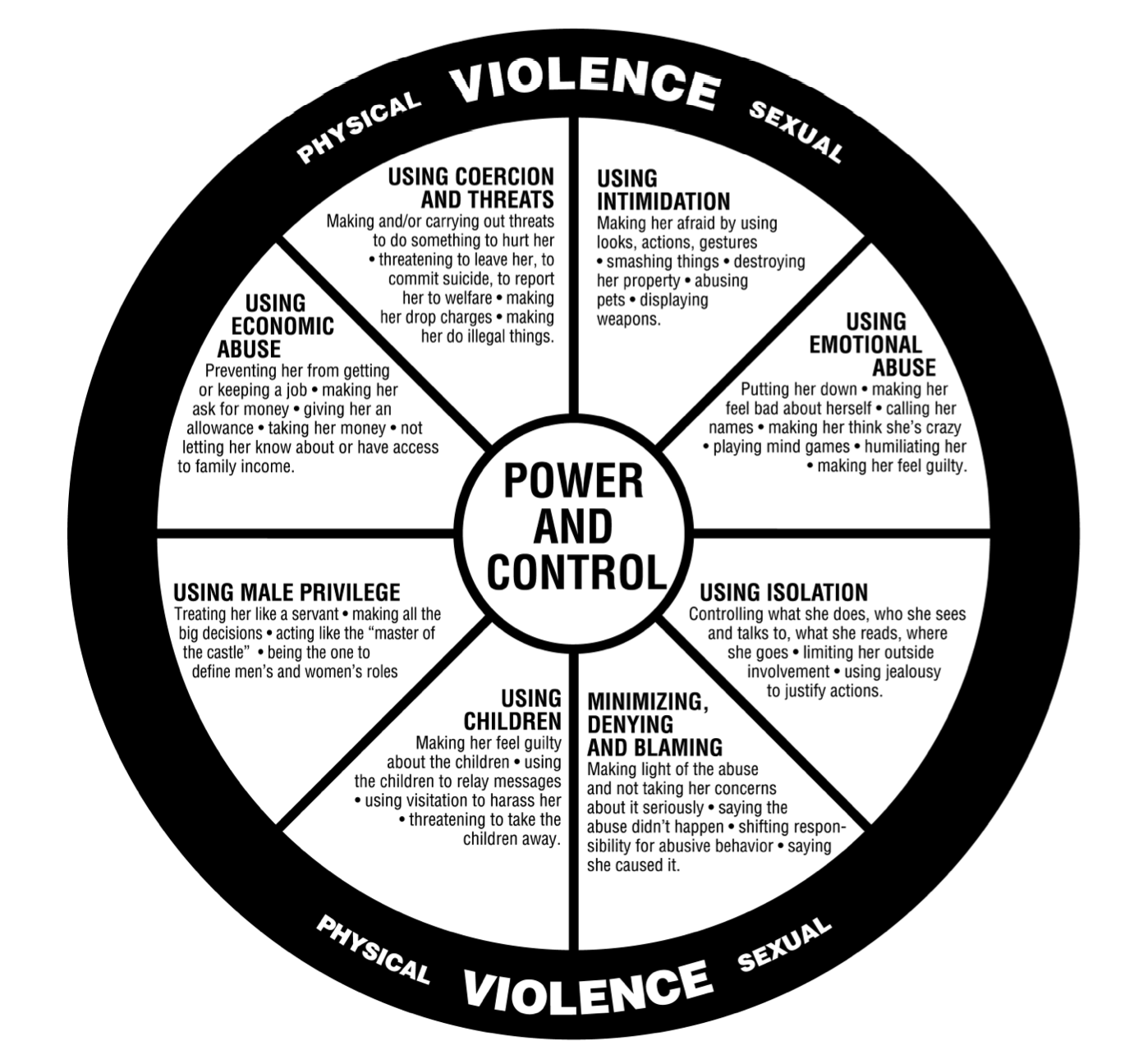
Image from Unsplash.com

There are a lot of answers to questions I don’t want to find out: How long can my car run without an oil change? Would anyone notice if I walked out of the house wearing a crop-top? 

And if you were to ask me, “Can a marriage survive without intimacy?” I’d tell you I wouldn’t want to find out. But then I’d ask, “Is that really what you mean?” 

Because there’s a big difference between surviving and thriving. I can survive wearing a crop-top out in public, but I sure as heck wouldn’t thrive (at least how I picture myself thriving). 

Do you want a surviving marriage or a thriving marriage?

Show me a thriving marriage, and I can’t help but show you a marriage chock full of intimacy

People sometimes mean different things when they say intimacy. Some refer to emotional intimacy, that affectionate, emotional connection with your spouse. 

Others take intimacy to mean, well, sex. 

And both would be right. If you do some research, you will find that these are two sides of the same coin and that emotional connection and sexual connection are inextricably linked. The quality of one has an effect on the quality of the other. 

Here’s what I mean: Jack thinks there’s a lack of physical intimacy in his marriage to Jill; sex has become mundane and much less frequent. Jill’s not too bothered by this, but believes that there’s a lack of emotional intimacy; they just don’t communicate and connect on a deep level. Jack doesn’t know much about that; he’s just hoping tonight might finally be the night. 

What Jack and Jill might want to know is that neither physical nor emotional intimacy just happens. You have to work at both with intention and gusto. 

And when Jack and Jill take the time to connect on an emotional level, their sex life can experience an uptick. Conversely, putting some more effort into their sexual relationship can easily deepen the level and bolster the volume of their emotional connection.

I like to think of it like this: building up intimacy in your marriage is like pedaling a bicycle. One pedal is emotional intimacy and the other is physical intimacy. Pushing one pedal forward brings the other around ready to be pushed. Repeat the cycle (see what I did there?) and you quickly gain momentum and acceleration. 

And there are two things I know about pedaling a bicycle: it takes work, but the more you gain momentum, the easier it becomes to push the pedals. The same goes for emotional and physical intimacy in your marriage. 

So how do you push those pedals to build intimacy in your marriage so that it will thrive? 

Make small connections throughout the day.

Key times are when you wake in the morning, before you leave for the day, when you come back together at the end of the day, and before you go to bed. Connect by bringing a cup of coffee in the morning, a goodbye hug, a hello kiss, asking, “How was your day?” Leaving love notes, or watching a funny show before bed. You choose your rhythm and kind of connection. Small things count big with intimacy. 

Carve out time to spend with your spouse.

Shoot for one date-time a week, even if it’s at home with microwaved pizza watching a RomCom. Establish some basic rules: no cell phones, no talking family business, no kids in the same room (or floor, or house). Just be with each other. 

Plan sex.

Have a Sex Schedule. Yes, you read that right. Plan the nights you’re going to have sex. This has worked wonders in my marriage. Scheduled sex helps my wife (who needs to warm up to the idea of sex sometimes) to anticipate it ahead of time. And it helps me (who needs no warming up whatsoever) to avoid wondering when the next time will be and to initiate with the confidence that I won’t be met with rejection. (A couple of caveats to scheduled sex: our rules are that either of us can call an audible and ask for a raincheck for any reason. And, unscheduled, spontaneous sex is certainly never off the table!

Dedicate to communicate daily.

Talk, talk, talk. Try to go beyond casual conversation and go deeper with personal insights, feelings, dreams, and needs. Much of our communication is like a small business meeting: Did you pay the water bill? Are you driving Little Man to practice? Google “Questions that build intimacy” and have some pillow talk.  Listen twice as much as you speak. Learn more about active listening here.

Can a marriage survive without intimacy? The truth is, yes it can, BUT it doesn’t have to. Even if you find yourself in a hard place right now where your marriage feels empty and neglected, you can commit yourself to do something different. Push one pedal and then the other. I repeat: it takes work and some time. Sometimes, one spouse in the relationship has to do the bulk of the pedaling before the other catches on. But it’s worth it. Plenty of couples have been where you are, changed up the dance, and would wholeheartedly tell you it’s worth the energy and effort to have a happy, healthy, intimate, thriving marriage. 

***If you or someone you know is in an abusive relationship, contact the National Hotline for Domestic Abuse. At this link, you can access a private chat with someone who can help you 24/7. If you fear your computer or device is being monitored, call the hotline 24/7 at: 1−800−799−7233. For a clear understanding of what defines an abusive relationship, click here.***
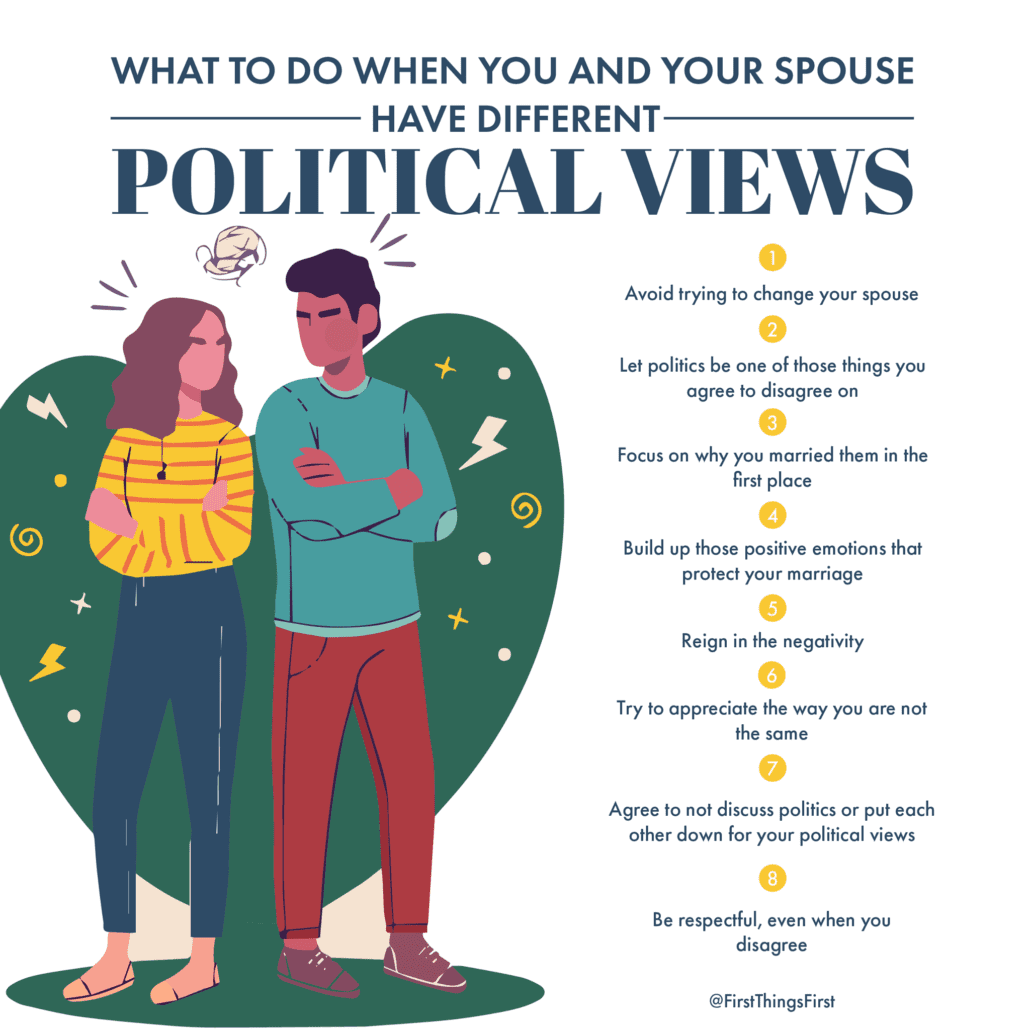
Image from Unsplash.com

Coming up with a great date night idea can be as easy as a flip of a coin! And sometimes, date night can be even better without a plan! All you need is a penny (or any coin) and your car. Check out the instructions below to see if you’re up for this unique, fun date night!

Instructions:

  1. Get dressed in something comfortable.
  2. Pack some snacks, a picnic, or dessert in the car to munch on while you’re driving and/or after you’ve arrived. (This step is optional!)
  3. Grab a coin and get in the car. (OR you can obviously walk if that’s more convenient for you!)
  4. Let your partner choose a number between 10 and 20. This will be the number of times you flip the coin.
  5. Before you turn out of the driveway, BEGIN by flipping the coin! If it lands on heads, turn RIGHT. If it’s on tails, turn LEFT!
  6. Every time you come to an intersection, flip the coin, and turn the corresponding direction.
  7. Once you get to the number your partner chose from Step 2, look around and start your date!

Take It A Little Deeper:

Once you’ve arrived at your destination, take some time to ask and answer these questions! (Each spouse should have a turn to answer.)

  • Did the lack of planning scare you? Or stress you out? Why or why not?
  • Is this a date that you’d want to do again? Why or why not?
  • Do you have any fears or anticipations about what life may bring our way? If so, what are they?
  • Is there anything I can do or say to help to ease those fears and provide some comfort for you?
  • When you think about our future together, what excites you the most?

Image from Pexels.com

Do you find it hard to see things from your spouse’s perspective?

Do you think your spouse should see things exactly the way you do?

Is it easier for you to try to fix things for your spouse rather than listen to them? 

If this is true about you or your spouse, you may have a lack of empathy. Situations where you fail to empathize with your spouse can lead to misunderstandings and disconnection. To truly understand empathy, we must define it. Brené Brown defines empathy as “feeling with people.” In its simplest form, empathy means to care as much about your spouse’s likes, dislikes, interests, issues, dreams, goals, and problems, as you care about your own. 

It can become difficult in marriage when you recognize that your spouse is so very different from you. According to psychotherapist Cindy Sigal, AMFT,  “Empathy bridges the divide between being separate individuals with different backgrounds, feelings, and perspectives.

How do we build and/or maintain the bridge of empathy between spouses?

1. Listen, Listen, Listen

The greatest need your spouse has is to be seen, heard, valued, and understood by you. This begins with listening to understand them—not to fix a problem. Additionally, give your spouse your full attention within the conversation. Asking questions allows you to become a “compassionate detective” of your spouse. Resist the urge to tell them what to do or how to fix the issue. In doing so, you validate your spouse’s feelings and capacity to solve the problem while utilizing empathy to fuel your connection.

2. It’s Not About YOU

The key to empathy is seeing things from your spouse’s perspective—literally, putting your feet in their shoes. Think about: What do they like to do? How did they grow up? What brings them happiness and what causes them to get upset? What is their favorite activity, food, etc.? How would they see this situation? Practice putting aside your views and thoughts to focus on those of your spouse. 

3. Respect Your Spouse’s Differences

At the beginning of your marriage, you may have thought, “It’s so GREAT how different we are.” Now reality has set in and you’re probably thinking, “OMG, WE ARE different.” YES, you are. However, there is strength in your differences. Having different views can give you the opportunity to see the picture/issue from a variety of ways. Allowing each spouse their own perspective provides opportunity for out-of-the-box decision-making as well as increasing mutual respect. 

Empathy so often is considered to be the “secret sauce” in relationships. It encourages us to see past ourselves and take our spouse into consideration. It bonds couples together. Building your capacity for empathy builds your relationship.

***If you or someone you know is in an abusive relationship, contact the National Hotline for Domestic Abuse. At this link, you can access a private chat with someone who can help you 24/7. If you fear your computer or device is being monitored, call the hotline 24/7 at: 1−800−799−7233. For a clear understanding of what defines an abusive relationship, click here.***

Image from Unsplash.com

There are not many feelings worse than when someone puts you down, insults you, or invalidates you. And a put-down from your own spouse is like a straight-up punch to the psyche. It’s amazing how easy it is to hurt the ones we love the most with our words, but what do you do if you are the one on the receiving end of the verbal blows? 

This issue has a certain level of complexity to it, which means we have to approach it with care. Many spouses deliver verbal shots and put-downs to their spouse, unaware of the harm it’s doing. This is Situation A. 

Others are well aware and intentional with the harm. This is Situation B, and this is abuse.  

Let me be clear about Situation B right off the bat: If you are experiencing an abusive situation where someone is physically harming you, you need to seek help. Use the hotline number at the bottom of this article. 

You also need to understand that certain situations of verbal/emotional put-downs may be verbal abuse, and often accompany (or are a precursor to) physical abuse. (See the Power and Control Wheel below.)

Healthline gives some red flags to the characteristics of verbal abuse: 

  • They insult you or attempt to humiliate you, but then they accuse you of being overly-sensitive. 
  • They yell or scream at you frequently. 
  • The person plays the victim while they try to make you feel guilty. (“I wouldn’t have to scream at you if you didn’t…”)
  • They get in your personal space as an act of intimidation or try to block you from moving away.
  • They gaslight you—this means they manipulate you into questioning your own version of events in order to gain more power. For example, they may convince you to doubt your memory of them saying or doing something violent or try to convince you you’re crazy.
  • They hit the wall or throw things.  
  • They want credit for not having hit you. 

Sincerely ask yourself the following questions:

  • Do I believe my spouse is putting me down with the intention to harm me, wear me down, or manipulate me?
  • Do I think there is a possibility the verbal attacks could lead to physical violence?
  • If I were to voice my concerns for how they talk to me, is there any fear that they would react with a heated backlash? 

Unless you can answer each of these questions with a confident no, these are strong indicators of verbal/emotional abuse and warning signals for possible physical abuse. Do not confront your spouse. Go somewhere safe and seek help. 

Let’s talk about Situation A.

Your spouse puts you down but they are unaware of how it’s making you feel. They are being careless with the words they use toward you—perhaps in front of the kids. But despite the unintentionality of what they say, you still feel devalued. It’s time to let them know how you feel. 

  • Approach your spouse to talk at a strategic time. Ask them if this is a good time to talk. And if it’s not, arrange a time, preferably within the next 24 hours. Don’t bring up your feelings right after they say something hateful; your emotions will be dialed up, and you want to be calm and able to think clearly when you talk. Choose a time when neither of you are tired or in a bad mood. 
  • Start on a good note. Marriage researcher Dr. John Gottman suggests opening difficult conversations with a positive. Begin the conversation with something you appreciate about your spouse. Say something like, “I know that you love me and the kids and that you’d do anything for your family.” Or, “I appreciate how hard you work to provide and take care of us.” 
  • Be specific about what you hear and how you feel. Make good use of “I” messages. For instance, “There have been many times when I’ve felt really undervalued and unloved when you’ve said certain things to me.” Name your feelings—beforehand, jot down some specific words that describe how it feels when your spouse puts you down. If it happens in front of your kids or other people, point out that it feels embarrassing or shameful. Err on the assumption that your spouse has been unaware of how they’ve made you feel. You may have to give them an example of what they’ve said. Describe the last incident and the effect it had on you. Avoid giving a laundry list of all the past wrongs they’ve done to you, though. 
  • Use a code word or sign. The point of addressing this with your spouse is help them be aware that they are putting you down and the negative effect it has on your feelings. Establishing some kind of code word or a non-verbal signal can subtly express to them, “You’re being degrading and ridiculing right now, and you need to dial it down.” This is especially helpful in front of the kids or in social situations. For instance, whenever you respond with “Oh, honey…” or you nonchalantly touch your earlobe, you can discreetly and calmly express to your spouse how they’re making you feel at the moment. 
  • Set boundaries. Let your spouse know that if they continue to ignore warning signs and keep putting you down, you’ll simply leave the room when they say something disparaging. Don’t threaten your spouse with divorce or the withdrawal of sex (although you probably won’t exactly feel “in the mood” after being put down). You set up boundaries to protect yourself, not punish others. 
  • Check your own thoughts and words. I mention this last step with a great deal of care, and I encourage you to approach it with humility and thoughtfulness. I have talked with many individuals who have felt insulted by others close to them; however, sometimes there was something within their own personality that colored the situation. Many were highly sensitive to remarks that weren’t overtly insulting, but they heard them through the filter of past negative experiences. 

For instance, one person interpreted an invitation to exercise together as an affront to their weight, an issue to which they felt particularly sensitive. Others that I’ve talked to were offended by another’s insults, but had no problem being equally insulting toward that person. Part of the process of working through this is to consider what may be going on inside you that could exacerbate these feelings. Ask yourself: Are the words I hear from my spouse truly insensitive put-downs, or is there something inside me that makes me overly-sensitive to their words? And, are there ways that I put my spouse down without me noticing it? 

Marriage cannot thrive in an environment of disrespect and insults. And no one deserves to be put down by their spouse. The above steps are a process that may take time before you see real change. There’s a chance that other things are going on under the surface of insults and put-downs being hurled your direction. If these problems persist after taking the above steps, ask your spouse to seek help with you through couples counseling. If they resist, seek professional help on your own. ☆ Sometimes it takes one person in the marriage to lead the charge toward getting help and improving the relationship before the other catches on. 

***If you or someone you know is in an abusive relationship, contact the National Hotline for Domestic Abuse. At this link, you can access a private chat with someone who can help you 24/7. If you fear that someone is monitoring your computer or device, call the hotline 24/7 at: 1−800−799−7233. For a clear understanding of what defines an abusive relationship, click here.***

Image from Pexels.com

Have you ever made a joke about your spouse and they didn’t think that it was funny?

Has your spouse ever remarked on a “weakness” of yours and you felt some way about it?

Has your spouse ever made fun of you or put you down in front of your kids?

What are some of the common ways that we unwittingly put our spouses down?

1. You talk over or finish their statements when they are speaking.

It can easily become a habit to talk over your spouse or finish their statements for them. When you do this, you are sending the message to your spouse that you don’t respect their perspective and opinion. Additionally, this can minimize them in the eyes of others (family, friends, co-workers, children). 

2. You don’t consider/obtain their opinion or input when making decisions  (i.e., the kids, family vacations, or future plans).

Teamwork is important in marriage. It takes both parts of the couple contributing to make it as strong as possible. When one person makes all the decisions, it can lead to a myopic view of the situation. Having differing options and opinions can strengthen a plan. Like a well-woven tapestry, considering and respecting the input from your spouse creates a better and holistic problem-solving strategy.

3. You MINIMIZE their strengths while you MAXIMIZE their weaknesses.

When couples get together, they often say, “Where I am weak, my spouse is strong and vice versa.” After a time, it can become problematic when the focus changes to, “I really can’t believe that my spouse can’t do that.” For example: you may be very strong at directions while your spouse needs GPS to go anywhere, even places that they have been many times before. Sitting in the car as they set up the GPS, you think, “OMG, I should have just driven. They never know how to get anywhere.” You then share with anyone who will listen that your spouse is seriously DIRECTIONALLY CHALLENGED. From there you only seem to notice their deficiencies rather than their strengths.

4. You tease your spouse too much.

Whether it is about their hair, nose or the way they eat spaghetti, teasing your spouse can be a way to bring humor to your relationship. However, too much of a GOOD THING can become a problem. If you seem to nit-pick everything about your spouse even with a hint of levity, they may feel undervalued. Find ways to build up your spouse, not tear them down—even in JEST.

5. You constantly re-do tasks that your spouse has already done.

For many spouses, there are two ways to do things: MY WAY (THE RIGHT WAY) and your way. Your spouse may feel belittled as you refold the towel, remake the bed or reload the dishwasher. You inadvertently are telling them that their efforts are not wanted, needed, or appreciated. Because only YOU can do it, the RIGHT WAY.

Zig Ziglar said, “The first step to solving a problem is to recognize that it does exist.” Recognizing that you may be putting down your spouse is the initial step. While your spouse does things differently than you or even parents differently than you, it is KEY to respect those differences. Making fun of them or negating the importance of your spouse in your life and in the lives of your children undermines your relationship. Remember that the two of you are a TEAM. 

✦ Each of you has a role to play to make your family the BEST that it CAN BE!

***If you or someone you know is in an abusive relationship, contact the National Hotline for Domestic Abuse. At this link, you can access a private chat with someone who can help you 24/7. If you fear your computer or device is being monitored, call the hotline 24/7 at: 1−800−799−7233. For a clear understanding of what defines an abusive relationship, click here.***

Image from Pexels.com

I have good news for you: an exciting sex life is salvageable and well within your reach for you and your spouse. 

Here are three ways you and your spouse can take your sexual relationship from mundane to mind-blowing:

1. Don’t make fun the point of sex.

Wait, what? Did he just say that? Isn’t fun the point? Yes, I did, and no, it isn’t! It seems counterintuitive and requires a change in your thinking. Zack Brittle, certified therapist and blogger for the Gottman Institute, says sex isn’t just about the act itself (or at least it’s not all about the act), but rather it’s about sharing the body, mind, and soul as a couple. Sex is about connecting, bolstering intimacy, and exercising vulnerability with the one you’ve chosen to love the most. It’s a part of your relationship that’s meant to strengthen your relationship.

If the attention to your sex life with your spouse is centered merely on fun, you forget the overall essential role sex plays in your marriage, and the irony is that fun becomes a casualty. Focusing on connecting with your spouse in your sex life goes beyond the fun; it makes sex better

And here’s where it becomes even more ironic: when you do focus on connection, sex becomes a lot more fun, adventuresome, and playful! (For a more in-depth look at the relationship between sex and intimacy, check out our Marriage Course: Discover Deeper Intimacy In Your Marriage!)

2. Dedicate to communicate.

Say it with me: Communication affects the sex. (Doesn’t that rhyme nicely?) Couples who struggle with communication struggle with other areas of their marriage, including their sex life; it’s all connected. But those who work on better, healthier ways to communicate thoughts, feelings, and needs with each other experience more connection, friendship, and intimacy. And this, as we’ve learned, is directly correlated with healthy (and fun) sex!

There are many resources out there for improving marital communication (see the links below for some great advice), but what I would emphasize to you here is frequency and depth of communication. Strive to communicate on a daily basis with your spouse, and aim for deeper levels of conversation than simply small talk. Work on communicating your opinions, dreams, ideas, needs, and emotions with each other — and listening to those of your spouse without value judgment. Simply listen to understand and draw closer to the one you love the most.

One more thing needs to be said about communication and sex.

Working on your marital communication is vital; however, marital sex is even better when you work on talking about sex. According to marriage researcher Dr. John Gottman, only 91% of couples who can’t comfortably talk about sex with one another report sexual dissatisfaction. (So, Salt-N-Pepa had it right when they rapped “Let’s Talk About Sex, Baby…” back in the 90s.)

Talking with your spouse about what turns you on, your interests and preferences, vulnerabilities, and sexual playfulness can be uncomfortable for many. But the good news is that it’s a learned skill that can greatly increase your comfort level. In her book, The Sex-Starved Marriage, therapist Michele Weiner-Davis says the right way to approach conversations about sex with your spouse is very much akin to approaching healthy conversation all around: Pick a time you both feel ready to talk; don’t talk when you’re tired, angry, or in a bad mood; pick a safe, comfortable environment; use “I” messages and talk about what you want rather than criticize. The more you wade into the discomfort of talking about sex, the more comfortable and natural it quickly becomes.

3. Super-glue your marriage — including your sex life — to the top of the priority scale.

This is crucial, especially if you have children (of any age) running around your house. Life is busy, schedules are hectic, money is tight. Attention to your marriage and your spouse must supersede these potential speed bumps. A wise person once said, “Show me your calendar and your checkbook, and I’ll show you what’s important to you.” 

Set reminders on your phone to leave love notes. Schedule date times. Adjust your monthly budget to include some funds — even if it’s a small amount — toward nicer dinners (alone) or romantic gifts. ☆ Pay attention to your spouse’s love language — how is it that they feel most loved? Work out childcare with family or neighbors so you can get two hours alone with your spouse. Trade babysitting services with another parent — you’ll watch their kids one night and they’ll watch yours another. 

Prioritizing your marriage doesn’t take doing anything elaborate.

It’s the small things that build and grow a marriage. But it has a direct and powerful impact on your sexual relationship. Foreplay doesn’t begin in the bedroom; rather, the turn-ons, attractions, and mood-making happen during continual moments of boosting your spouse to the top of your priority list.  

Fun, playful sex is within the reach of you and your spouse, and you can bounce boredom out the window with some simple, intentional strategies. So here’s your assignment: Pursue your spouse. (No, not in a creepy, follow-them-around-all-day kind of way.) 

  • Remember when you were first dating, and there was nothing in your focus except this person? 
  • Remember how things were fun, but that wasn’t the point — you were just wanting to be together and get to know them better? 
  • Do you remember how you talked and talked, and actually listened with interest? 
  • And remember how you set the time and energy to be with that person, and it didn’t matter that you had to wake up early the next morning, or that you were tired from the work day, or that you barely had any cash in the account? 

Pursue your spouse like this, and watch your marriage—including your sex life—be rejuvenated and energized. 

Great articles for improving your marital communication:

Also: 

10 Things Every Couple Needs to Know About Sex

***If you or someone you know is in an abusive relationship, contact the National Hotline for Domestic Abuse. At this link, you can access a private chat with someone who can help you 24/7. If you fear your computer or device is being monitored, call the hotline 24/7 at: 1−800−799−7233. For a clear understanding of what defines an abusive relationship, click here.***

, ,

My Spouse and I Have Different Political Views

Focusing on your marriage goals can help you navigate any political disagreements you have.

When Trump was elected President in 2016, Wakefield Research found 1 in 10 couples ended relationships over their political differences. For millennials, it was twice that. With the next presidential election upon us, many wonder if marriages with different political views can survive the increased volatility of the times.

political views

Susan and Darrell* have been married for more than a decade. In that time, they have experienced two presidential elections where they each voted for opposite sides of the aisle. If you ask them how their marriage is today, they will tell you it’s great…

But how can your marriage be great when you disagree on such huge issues?

Susan and Darrell certainly aren’t alone when it comes to being on opposite sides of the political spectrum. Nearly 30% of married households are bipartisan. In fact, there are some pretty well-known, long-married couples who have navigated these waters for years. Take James Carville, a Democrat and Mary Matalin, a Republican. Married since 1993, Carville says in Love & War: Twenty Years, Three Presidents, Two Daughters and One Louisiana Home, which he co-authored with his wife, “I’d rather stay happily married than pick a fight with my wife over politics.” 

That right there is the key. A study published in the Journal of Social and Personal Relationships (Explaining the impact of differences in voting patterns on resilience and relational load in romantic relationships during the transition to the Trump presidency) found that couples who actively maintain their relationship are better able to “weather the storm” of an election because they build up positive emotions that protect the relationship during difficult times. So, even if you vote differently, actively maintaining your relationship can help you keep feeling emotionally connected to each other and reduce the propensity for stress and conflict.

For example, in an interview with U.S. News and World Report, Mary Matalin shares that she and her husband have many interests other than politics that they enjoy doing together like fishing, cooking and learning about history. “Talking about the impact of the minimum wage is just not something that is high on our list of fun things to do,” she says.

What does this mean for couples who find themselves with opposing political perspectives? Susan and Darrell, along with other couples in the same political boat say this: “Instead of allowing your political differences to divide you, see it for what it is and don’t allow it to take center stage in your marriage. There are a lot of things we agree on and enjoy doing together. We choose to focus on those things.” 

When you find that you and your mate differ on things like politics, these tips can help you navigate through those differences for the good of your marriage:

  • Avoid trying to change your spouse. Trying to get your spouse to change will only create angst in your marriage. You can appreciate the fact that they are active in the political process and exercise their right to vote (just like you), which is a really good thing and not something to take for granted. 
  • Know that every married couple has issues they agree to disagree on for the duration of their marriage. Let politics be one of them. 
  • Focus on why you married them in the first place.
  • Build up those positive emotions that protect your marriage. Compliment your spouse. Speak kindly about them to others. Be intentional about focusing on the things you love about your spouse and your relationship.
  • Rein in negativity. The more you think negative thoughts about your differences, the more you teach your brain to think negatively about your spouse. This is a dangerous downward spiral that can take you places you do not want to go.
  • Appreciate ways that you are not the same. Differing opinions and perspectives can offer depth and the ability to practice empathy in a relationship.
  • Put safeguards in place such as agreeing that you aren’t going to talk about politics and you for sure are not going to chide your spouse about their political persuasion.
  • Remember what matters most. Your marriage is more important than many differences you have, including politics. It will likely outlast any president’s tenure. 
  • Be respectful. Even when you disagree with your spouse, you can still be respectful. (Here’s why respect matters.)

A pandemic + a struggling economy + an election all in the same year can = frayed nerves, anxiety and an unusual level of sensitivity.

These things can magnify differences in your marriage that normally wouldn’t be a big deal. Knowing that this moment in time is especially extraordinary and putting some safeguards in place can protect your marriage. This allows you to focus on the goals you have set for your marriage… even when you disagree.

*names have been changed.